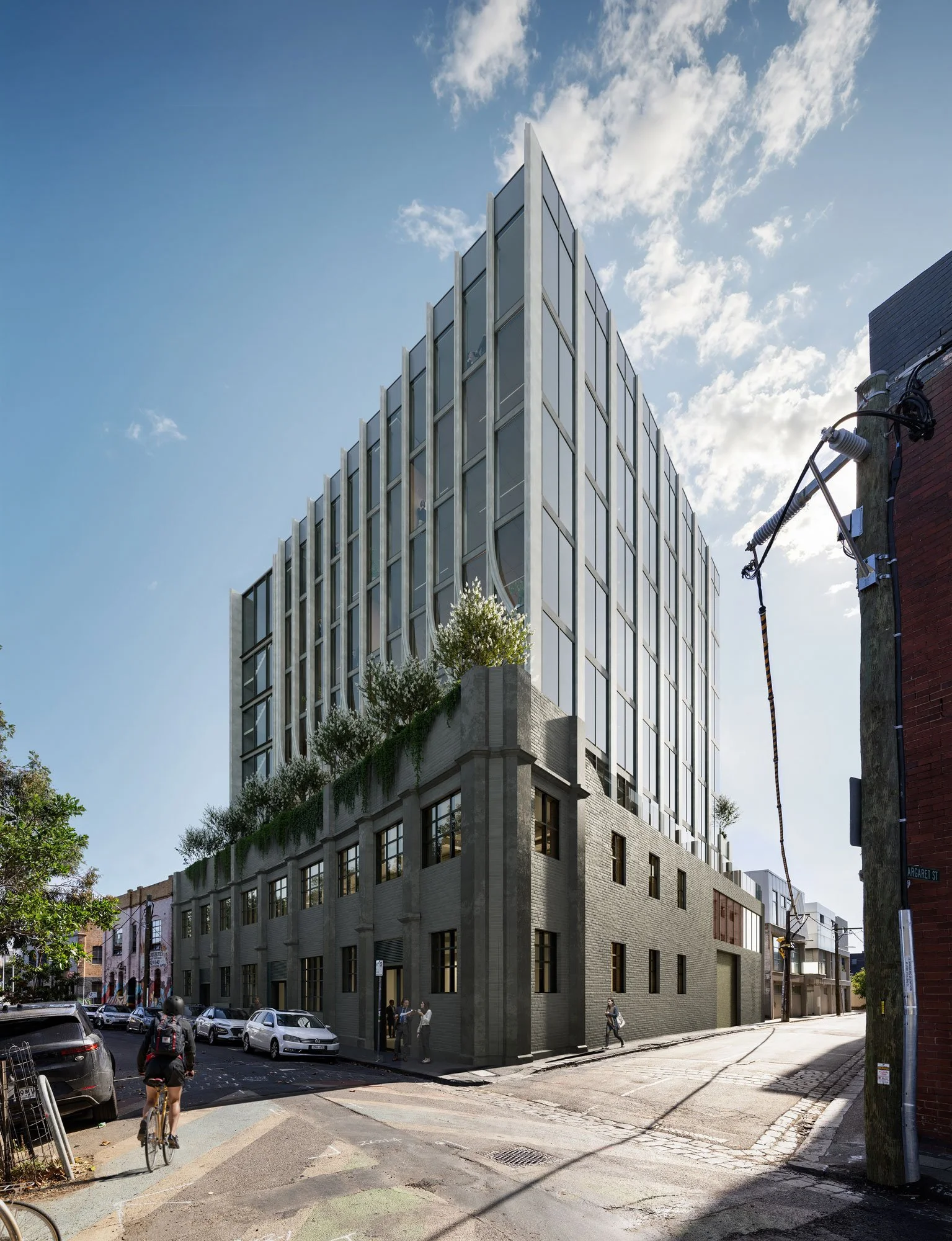
In Dialogue: A Curated Collection for 11 Stewart Street
In-Building Art Collection
Melbourne, Victoria
-
Curation
Artist Management
Design Development
Engineering and Technical Drawings
Artwork Installation
-
Public Art
-
Makiko Ryujin
Hannah Hall
-
Cera Stribley
-
Nicole Reed
WRAP
WRAP was engaged as curator for the art collection at 11 Stewart Street, developing a bespoke commissioning and curatorial strategy that responds to Richmond's rich history of making, industry and creative production.
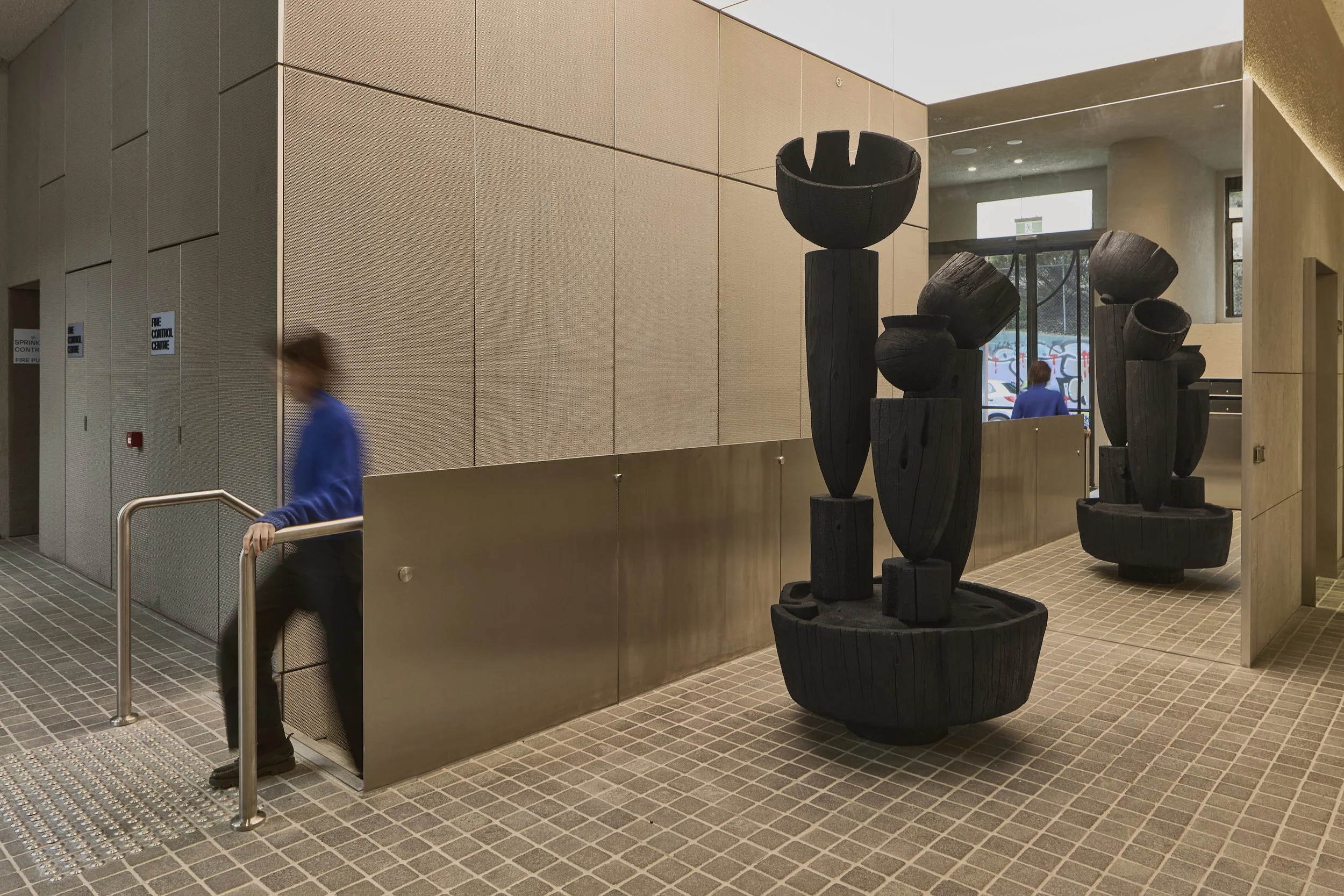
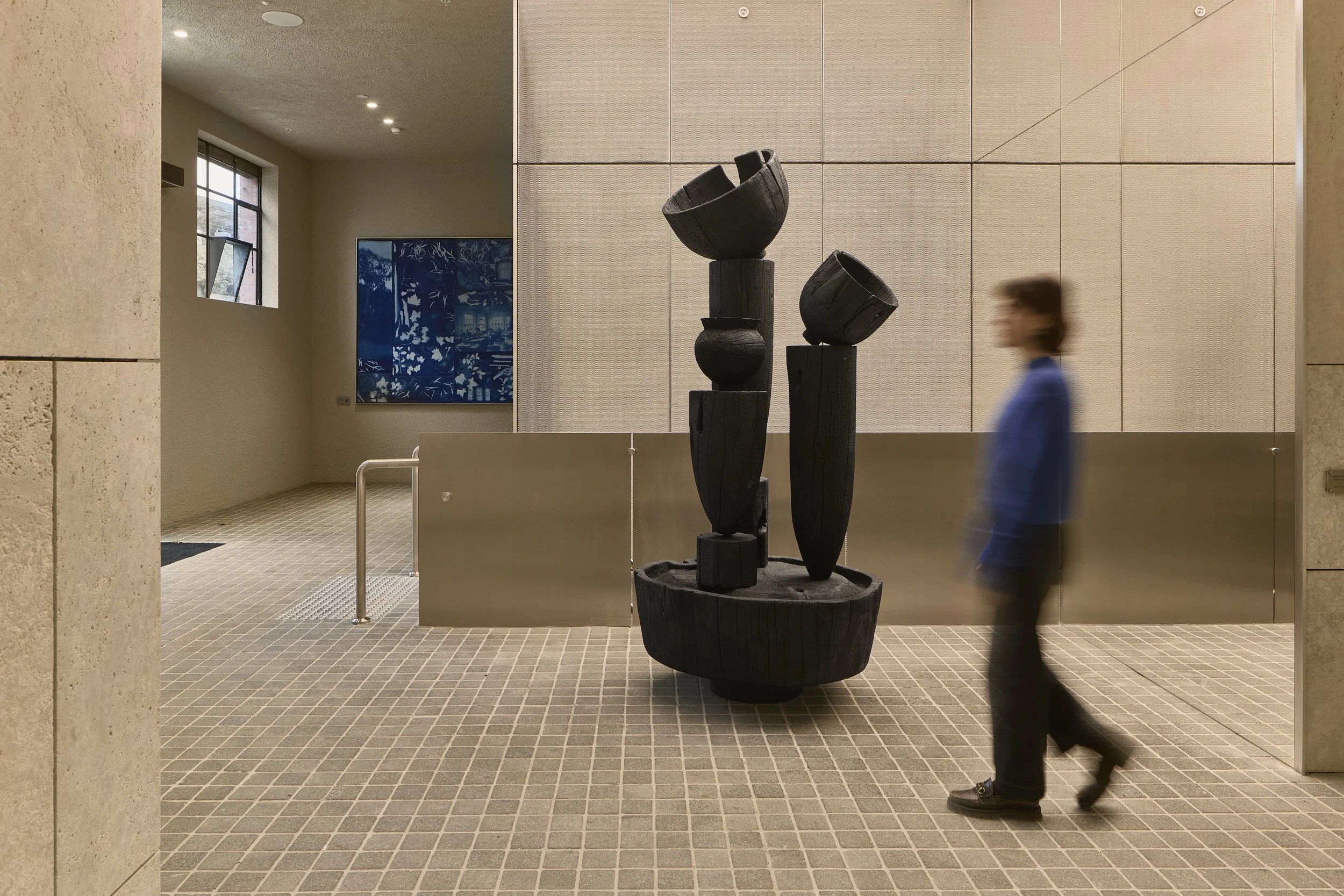
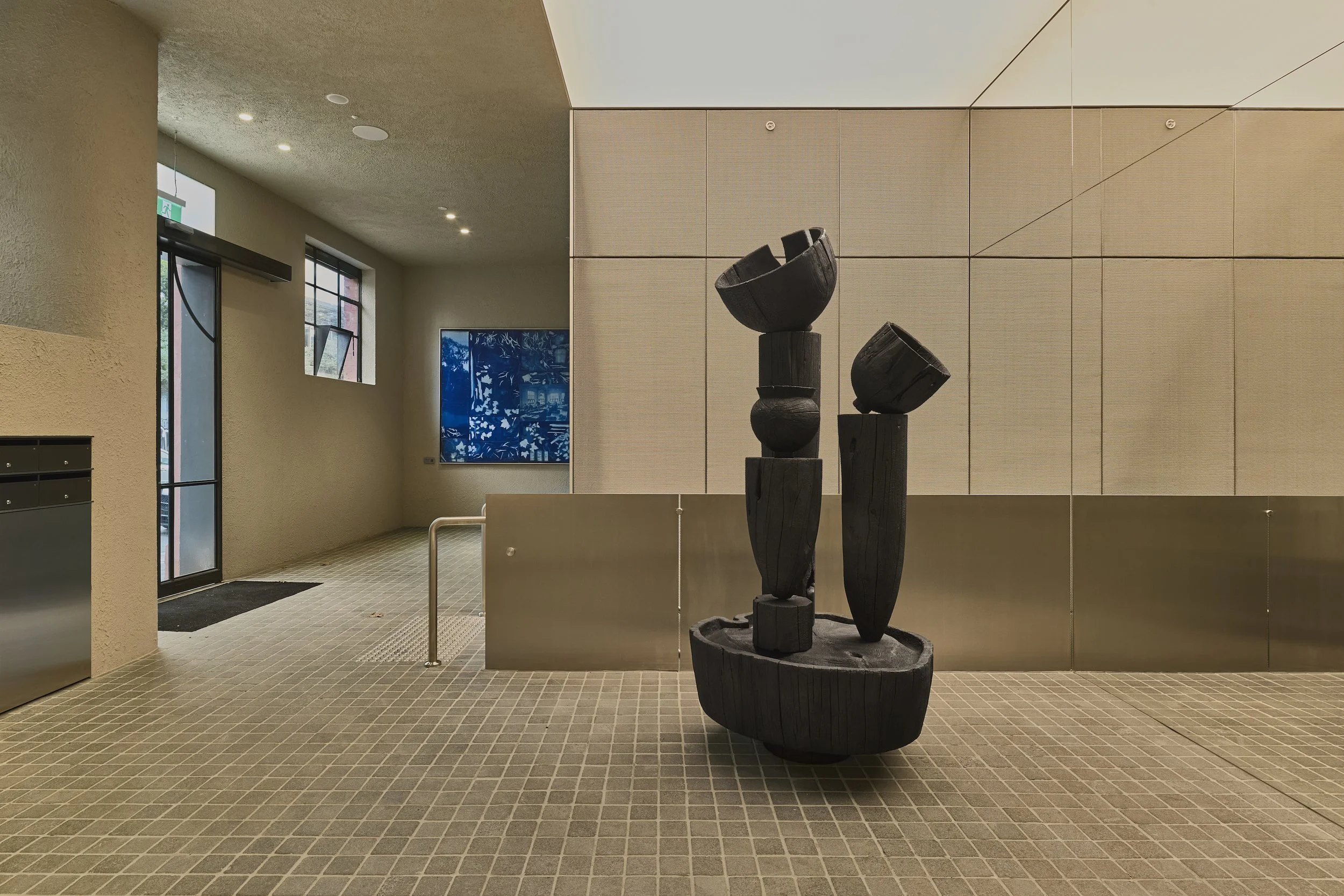
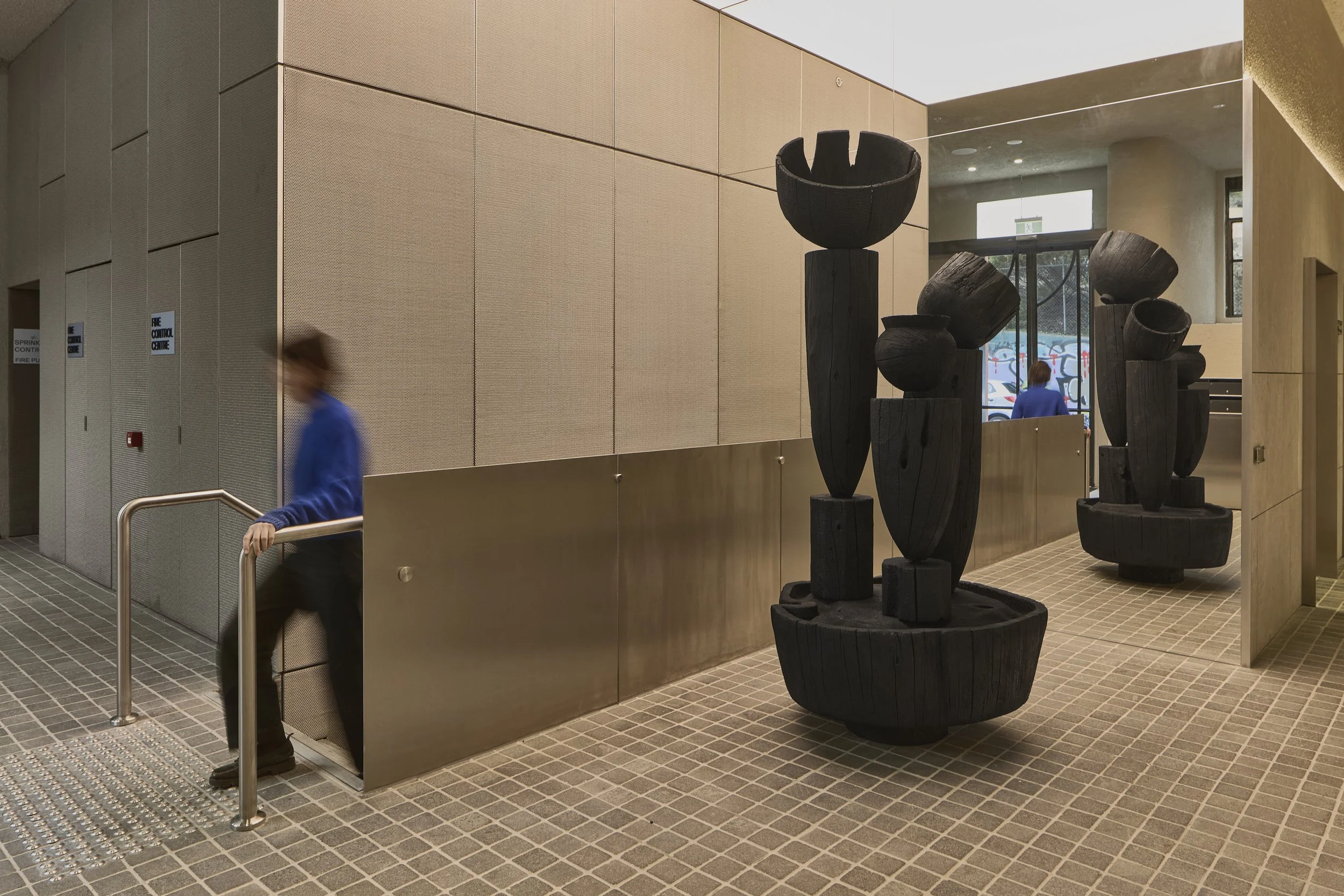
Rather than pursuing a large-scale collection, the project focused on the careful selection and commissioning of two significant artworks, each designed to exist in conversation with the building, its context and one another. Through a considered curatorial approach, the collection demonstrates how a small number of thoughtfully integrated works can create a powerful sense of place and identity.
The curatorial framework drew inspiration from Richmond's industrial past, exploring the area's long-standing associations with textile production, timber yards, manufacturing and craftsmanship. These histories of making informed the selection of artists Makiko Fujino and Hannah Hall, whose practices share a deep sensitivity to materiality, process and the transformation of everyday materials through skilled handwork.
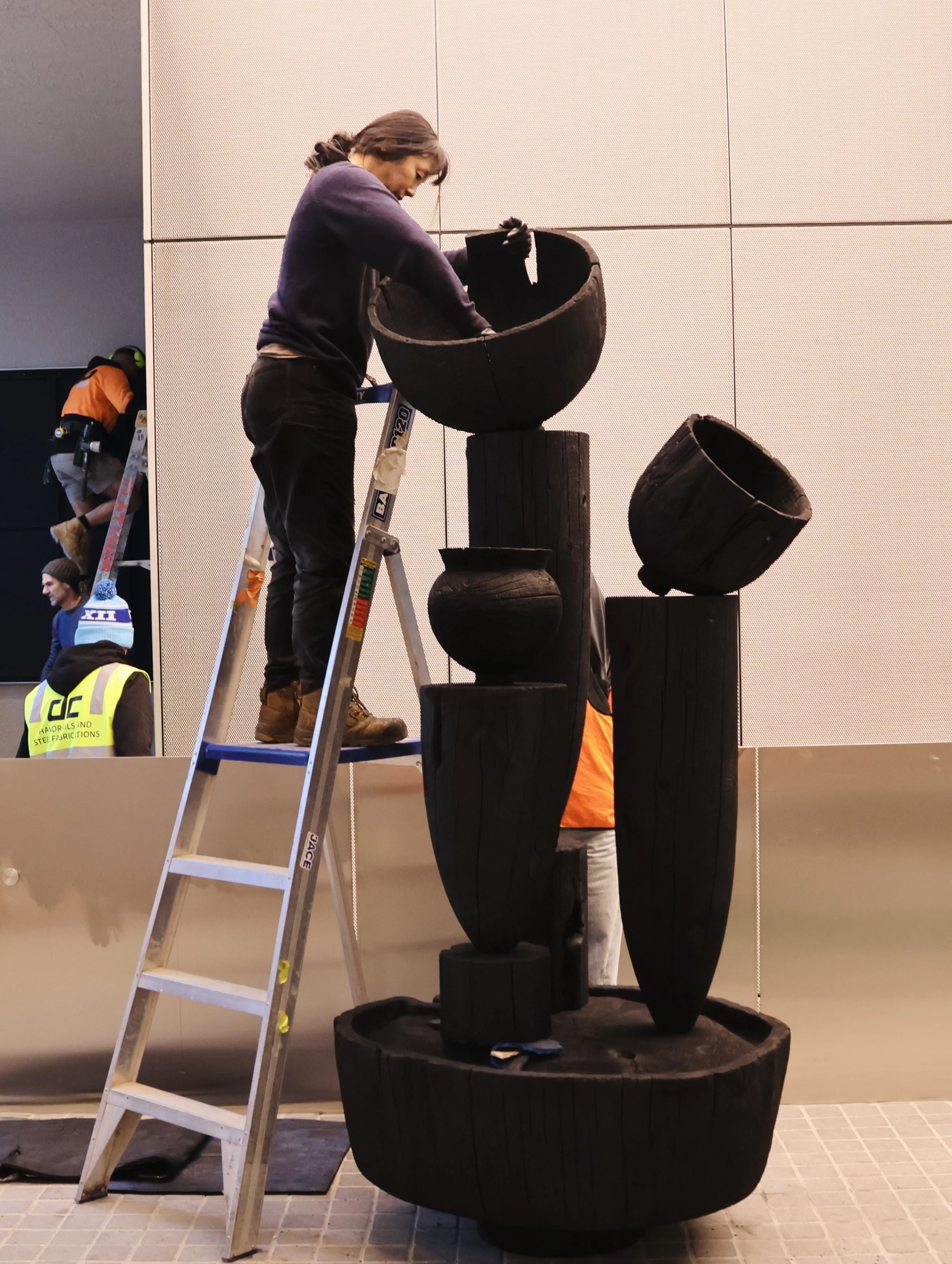
Working closely with WRAP, both artists developed bespoke works specifically for the site. While distinct in form and medium, each artwork responds to the broader narrative of Richmond's creative and industrial heritage, creating a layered dialogue between past and present, handcraft and contemporary practice.
Importantly, the commissions were conceived not as individual artworks occupying separate spaces, but as complementary works designed to speak to one another. Material references, spatial relationships and conceptual themes were carefully considered throughout the commissioning process, resulting in a collection that feels cohesive, connected and deeply embedded within its architectural setting.
Our Role
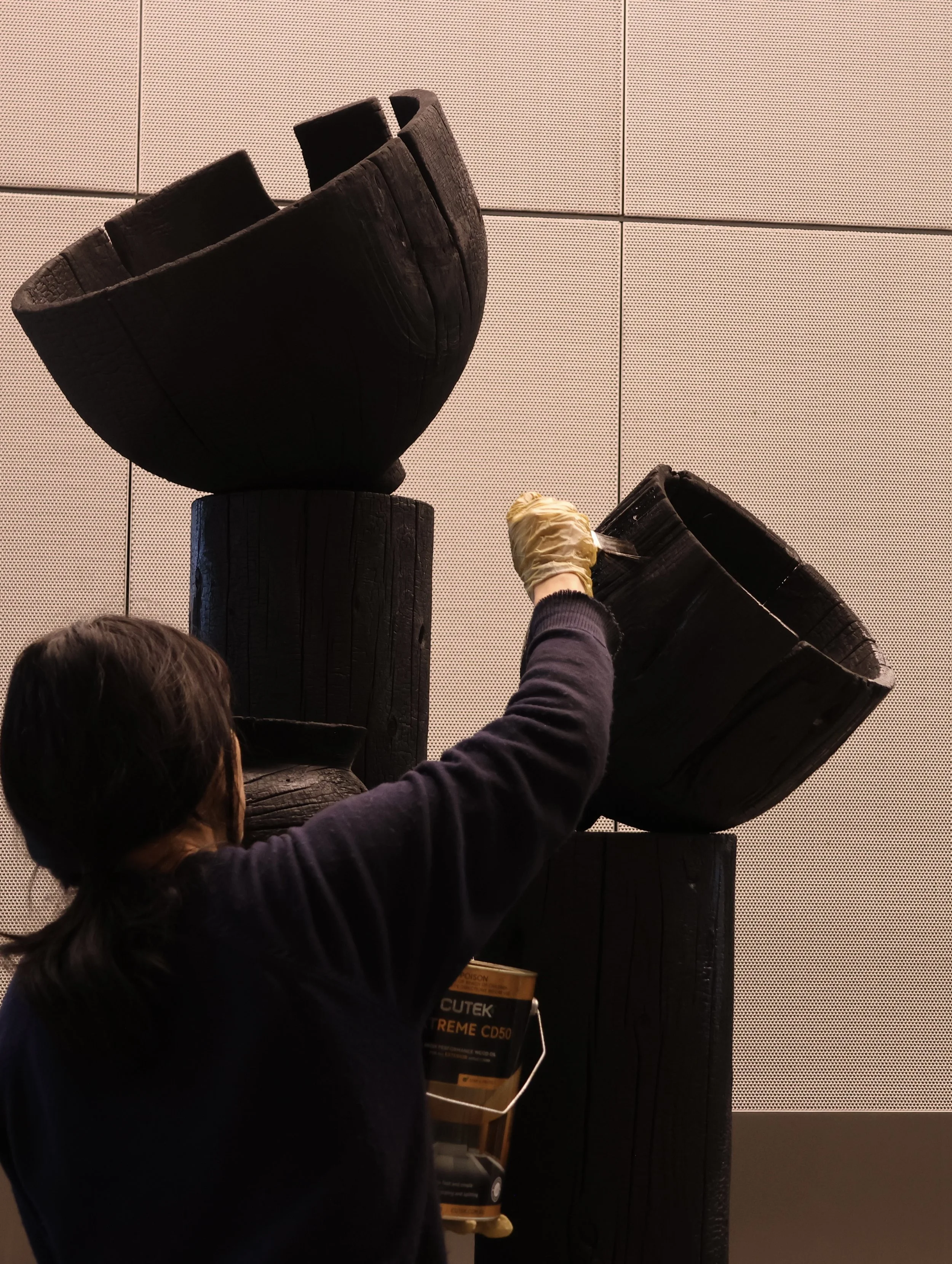
WRAP's role encompassed curatorial strategy, artist identification and commissioning, concept development, stakeholder engagement, fabrication coordination and installation oversight. Through close collaboration with the artists and project team, we ensured each work contributed meaningfully to the identity of the building while maintaining the integrity of the artists' individual practices.
Impact
The resulting collection offers a refined and thoughtful response to place—one that celebrates Richmond's enduring culture of making while demonstrating the value of carefully curated artistic dialogue within the built environment.
→ WATCH
→ ARTIST/S
Hannah Hall
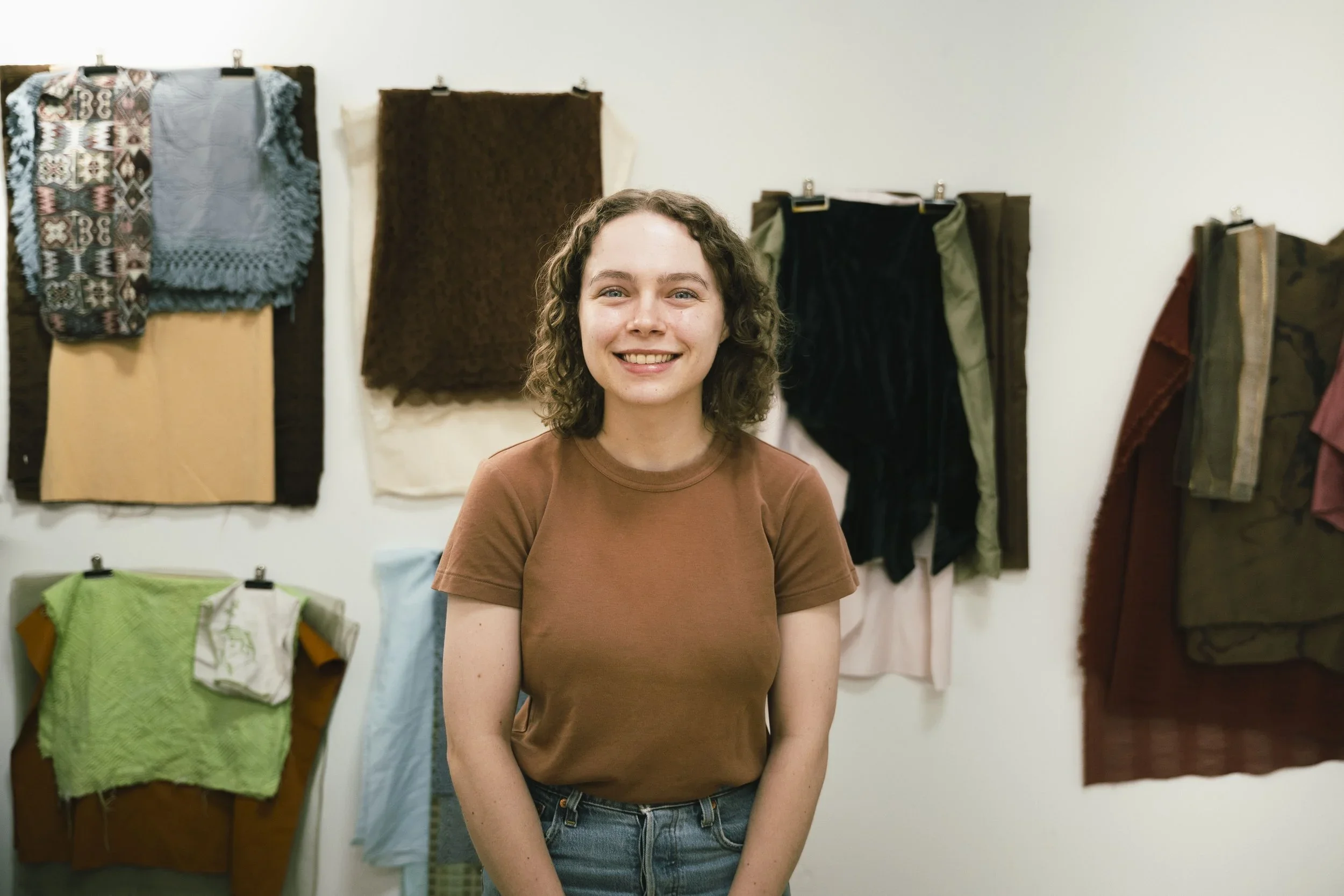
Hannah Hall (b. 2000) is a Naarm/Melbourne-based artist creating textile-based work that investigates materiality, craft, domesticity, and memory. Influenced by modernist abstraction and late 20th century textile art history, expanded painting and craft practices collide, to create works that occupy a hybrid space between painting and textile. Traditional techniques such as smocking, slashing, pleating, ruffling, and tucking are applied at labour intensive scale to found or gifted materials including old clothes, bedsheets, curtains, and pillowcases. Each piece of material is altered with several staining techniques that use spices, fruits, vegetables, and synthetic pigments, which adopt household tasks where the Kitchen, Laundry, and Washing Lines become an extension of the studio. Using second-hand materials, each work contemplates the presence and absence of unknown moments, bodies, and people, from each material’s history. Hannah’s practice examines relationships between art and craft, revealing the spillages, intimacies, and complexities of textiles, in the unpredictable way they fold, drape, and absorb pigment, but also in the way they evoke memories and emotional responses.
Makiko Ryujin
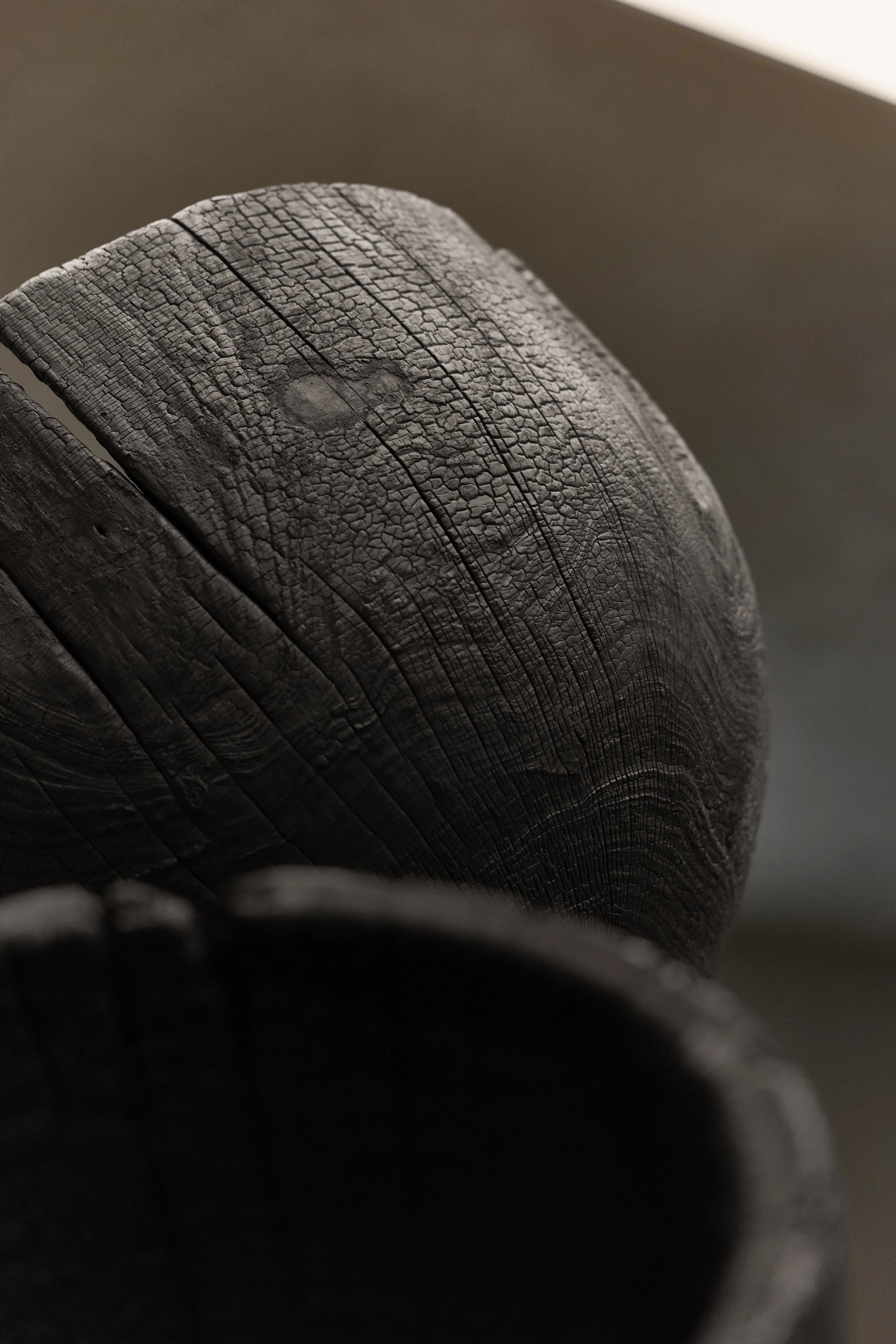
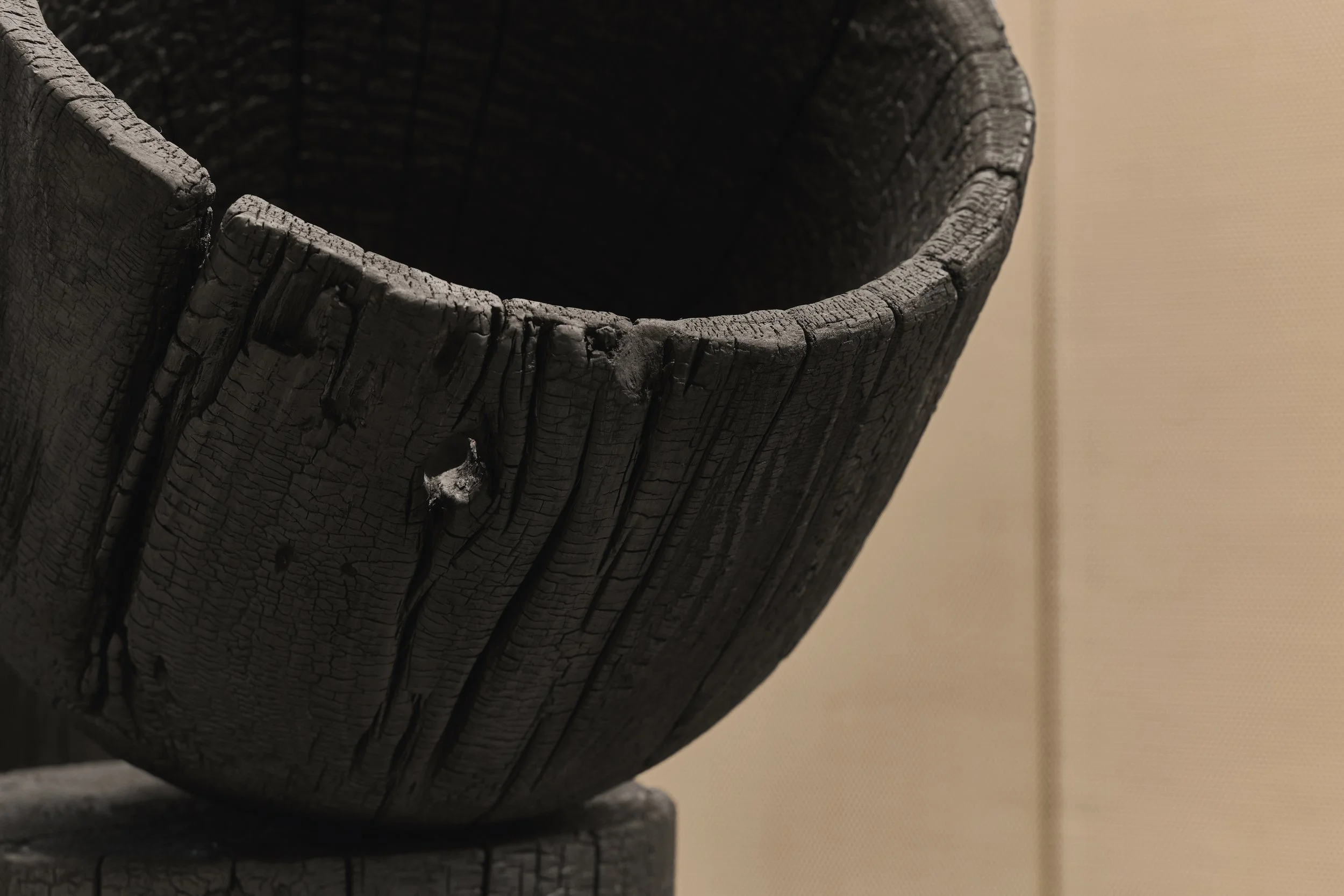
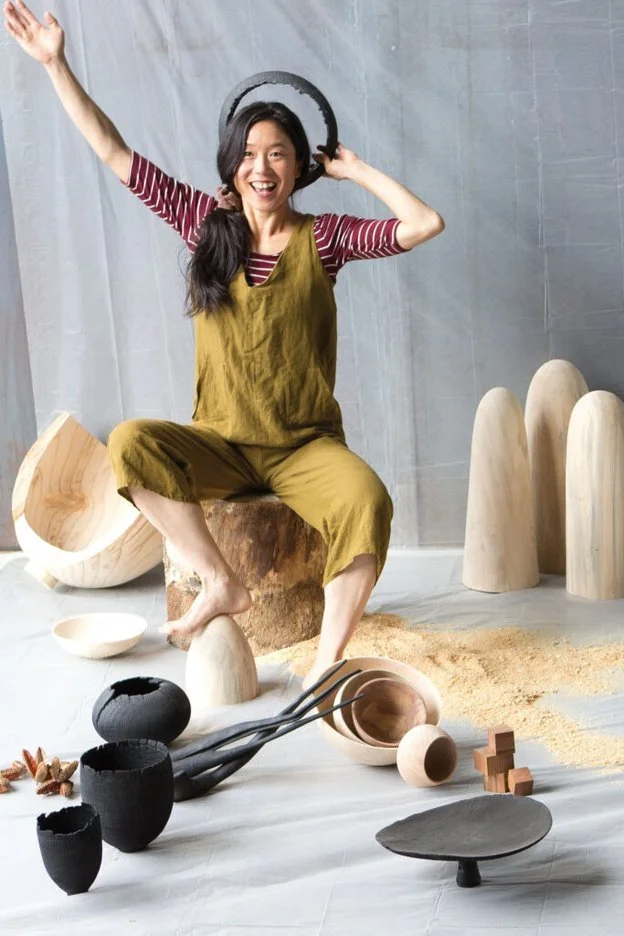
Makiko Ryujin is a Japanese-born, Naarm/Melbourne-based woodturner, designer and photographer practicing experimental techniques. Ryujin carefully turns the wood on a lathe to create high-sided bowls, urns and platters based on the forms of sacred Japanese temple vessels. During the long air-drying process, the forms begin to shift as the green wood loses moisture. The final dramatic transformation takes place as the timber chars and splits during the unpredictable burning process.
Makiko Ryujin completed a Bachelor of Photography at RMIT in Melbourne. In late 2014 she started studying woodwork part-time with her mentor Carl Lutz. By mid 2016 Ryujin was focusing on developing her craft as a commercial practice. Her wood-turning work calls heavily upon her childhood in Japan. The sacredness and form of the bowls within Japanese culture inform the proportions and design of the objects Ryujin creates.
Ryujin first exhibited in Designwork 03 in 2019. In 2020, she was commissioned alongside collaborator Michael Gittings to create Saṃsāra, 2020, a site-specific lighting installation for the tearoom and mezzanine at the National Gallery of Victoria as part of NGV Triennial.
→ Explore more of WRAP’s projects